
Biting in the Early Years: A Guide for Parents
Biting in the Early Years: Why Children Bite and How We Can Support Them
By The Priesthills Nurseries Team
Biting can be an upsetting experience for families, whether their child has been bitten or has started biting others. As a parent, you may find yourself wondering why it happens, whether it is normal and what you can do to help.
Understanding the reasons behind biting and how to respond positively can help children develop the communication, emotional regulation and social skills they need as they grow.
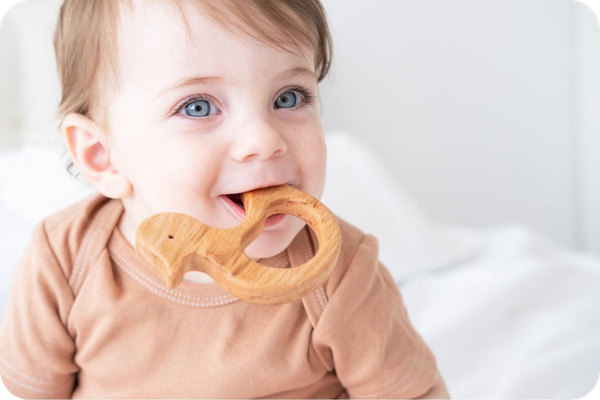
Is Biting Normal in Young Children?
Biting is relatively common during early childhood, particularly among babies and toddlers. Young children are still learning how to communicate their needs, regulate their emotions and interact with others.
Some children may bite during particular developmental stages, while others may never display this behaviour. Although biting can be developmentally typical, it can cause pain and distress and should always be taken seriously.
Why Do Young Children Bite?
There are several reasons why a child may bite, including:
Frustration or difficulty communicating.
Teething or a need for oral sensory stimulation.
Tiredness or feeling overwhelmed.
Difficulty sharing or managing interactions with others.
Excitement or difficulty controlling impulses.
Additional communication, sensory or developmental needs.
Biting does not necessarily mean a child is deliberately being unkind. Understanding the reason behind the behaviour is an important first step towards providing appropriate support.
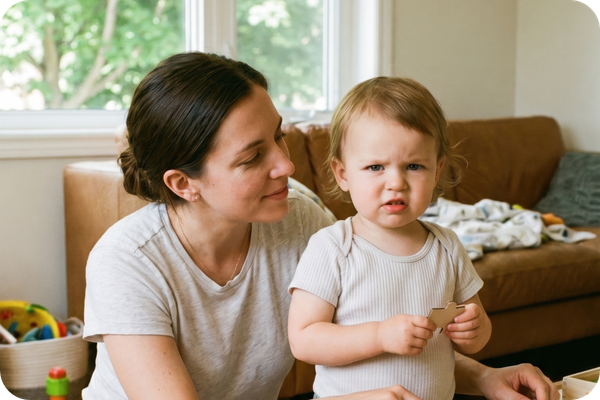
How Can You Help Your Child Stop Biting?
If your child has started biting, try not to panic. There are several ways you can support them at home:
Observe when biting happens and look for patterns.
Use simple, consistent language such as "Biting hurts."
Help your child name feelings such as frustration or anger.
Model gentle interactions and positive ways of communicating.
Provide appropriate alternatives if biting appears linked to teething or sensory needs.
Praise positive interactions and gentle behaviour.
Share information with your childcare provider so that consistent strategies can be used.
Young children need guidance, consistency and opportunities to learn alternative behaviours. Changes in behaviour can take time, particularly while children are still developing their communication and emotional regulation skills.
Can Biting Be Linked to Additional Needs?
For some children, biting may be associated with communication differences, sensory needs or difficulties with emotional regulation.
However, biting alone does not mean that a child has a special educational need or disability.
Understanding each child's individual needs and adapting the support they receive can help them develop more appropriate ways of expressing themselves.
Can Biting Always Be Prevented?
Young children can sometimes bite very suddenly, with little or no warning, even when adults are nearby and actively supervising. While it may not be possible to prevent every incident, appropriate supervision, well-organised environments, observation and individual support can help reduce the likelihood of biting.
Identifying patterns and understanding triggers can also help adults anticipate situations where children may need additional guidance or reassurance.
How We Support Children at Priesthills Nurseries
At Priesthills Nurseries, children's safety, wellbeing and development are always our priorities. Our approach focuses on understanding the reasons behind behaviour, responding sensitively and supporting children to develop positive communication and social skills.
Taking a Proactive Approach to Prevention
Our preventative strategies include:
Individual attention and small-group activities.
Close observation by practitioners who know children well.
Quiet areas for children who feel overwhelmed.
Activities that develop emotional understanding and empathy.
Teething rings and appropriate chewing resources.
Sufficient toys and resources to reduce avoidable conflict.
Identifying patterns and triggers where biting occurs.
We adapt these strategies to meet the individual needs of each child.
Responding With Care and Understanding
When a biting incident occurs, our immediate priority is to comfort the child who has been bitten, assess any injury and provide appropriate paediatric first aid where necessary.
We respond calmly and consistently to the child who has bitten, explaining that biting hurts and helping them understand how their actions affect others. Our approach focuses on positive behaviour support, clear boundaries and teaching alternative ways to communicate, rather than punishment, blame or shame.
Providing Individualised Support
Where biting becomes a repeated concern, our practitioners will increase their focus on observations, identifying triggers and developing preventative strategies. This may involve adjustments to routines, resources, supervision or the learning environment. Where appropriate, the Nursery Manager may complete a risk assessment and introduce additional support.
Where additional needs are identified, we will consider appropriate reasonable adjustments and work with families to ensure our approach reflects the child's particular needs.
Working in Partnership With Parents
We believe that working together is often the most effective way to help children move through this stage. We maintain communication with families, review the effectiveness of the strategies being used and adapt our approach where necessary, while always respecting the confidentiality, dignity and individual needs of every child.
Our aim is to help children develop the skills they need, not to make them or their families feel blamed.
Frequently Asked Questions About Biting at Priesthills Nurseries
1. What happens if my child is bitten at nursery? We will comfort your child, assess their injury, administer appropriate first aid where necessary and complete an accident record. Parents will be informed, with a telephone call where appropriate, and we will continue to monitor the affected area.
2. Will I be told which child has bitten mine? No, we have a responsibility to protect the confidentiality of every child in our care. However, we will share relevant information about your child's injury, the care provided and the steps being taken to reduce further incidents.
3. Are children punished for biting? We do not use punishment or shame to manage biting. Instead, we establish clear boundaries, explain why biting is not acceptable and support children to develop more appropriate ways of expressing their feelings.
4. What happens if biting becomes a repeated concern? We carry out additional observations, identify potential triggers and adapt our preventative strategies. Where appropriate, the Nursery Manager may complete a risk assessment, and we will work closely with families to review progress and provide additional support.
5. Will my child be excluded from nursery if they continue biting? Our Biting Policy does not establish automatic exclusion as a consequence of repeated biting. Our priority is to understand the causes, manage risks appropriately and support the safety and wellbeing of all children.
6. What happens if a bite breaks the skin? Our practitioners will provide prompt first aid and advise parents or carers to seek further medical attention in line with NHS guidance. Appropriate treatment will be provided for both children involved to reduce the risk of infection, and urgent medical attention will be arranged where the skin has been severely broken.
7. Can I ask for my child to be kept away from a child who has bitten them? We will assess the circumstances and consider appropriate measures to reduce the risk of further incidents. However, we cannot automatically guarantee separation, as decisions must consider the needs, safety and inclusion of all children.
8. Who can I speak to if I am concerned about biting? We encourage parents to speak to their child's key person or Nursery Manager. We will listen to your concerns, explain the actions taken in relation to your child and discuss any appropriate next steps.
Supporting Every Child to Thrive Biting may be a common part of early childhood development, but that doesn't mean we simply accept it. At Priesthills Nurseries, we take it seriously, work to prevent it and respond with care, understanding and clear boundaries.
By working together, we can support children to develop the communication, empathy and emotional regulation skills they need. For more information, please speak to your child's key person or Nursery Manager, or refer to our full Biting Policy.