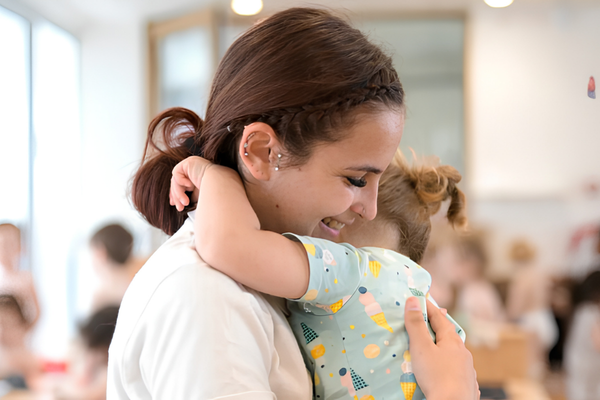
Sleep Matters: Why Young Children Need Their Naps
Sleep Matters: Why Young Children Need Their Naps, and How We Follow Your Child's Natural Sleep Needs at Priesthills Nurseries
By The Priesthills Nurseries Team
Sleep is just as important to a child's development as play, learning and good nutrition. Yet it's also one of the topics that families ask us about most!
Every child is different, and what works well at home doesn't always fit neatly into a busy nursery day. Some children need a long afternoon nap, others benefit from several shorter sleeps, and some are ready to stop napping altogether.
In this post, we look at why sleep matters so much in the early years, how to spot the signs that your child is tired, what to do when naps and bedtime seem to clash, and how we put a child-led approach to sleep into practice at Priesthills Nurseries.

Why is sleep so important for young children?
Sleep is not simply a break from learning. It is an essential part of it!
During sleep, children's brains and bodies are busy doing important work. Getting enough good-quality sleep helps to support:
• Brain development and learning: Sleep helps children process new experiences, consolidate memories and develop the skills they have been practising throughout the day.
• Emotional wellbeing: Well-rested children are often better equipped to manage their emotions, cope with frustrations and enjoy positive interactions with others.
• Physical growth and development: Sleep supports healthy growth, physical recovery and overall development.
• Concentration and engagement: Children who have had sufficient rest are often better able to concentrate, explore, play and participate in learning experiences.
• Health and immunity: Adequate sleep plays an important role in supporting a healthy immune system.
Young children have very different sleep requirements from adults, and these needs change as they grow. Daytime naps can make an important contribution to their overall sleep, and even children of the same age can have quite different sleep patterns.
How much daytime sleep does my child need?
There's no single answer, because every child has their own sleep rhythm.
Babies and younger children may need several sleeps throughout the day, while older toddlers may naturally move towards one nap or begin to drop daytime sleep altogether. Sleep needs can also vary from day to day, particularly during periods of growth, illness, developmental changes or disrupted nighttime sleep.
This is why we don't believe in a one-size-fits-all approach to sleep. Rather than expecting every child to sleep at a set time, it's far more helpful to watch your child and respond to what they're telling you.

What are the signs that my child is tired?
Young children can't always tell us they need a rest, but they often show us. Common signs of tiredness include:
• Yawning or rubbing their eyes
• Becoming quieter or less engaged
• Seeking additional comfort
• Becoming upset or frustrated more easily
• Finding it difficult to concentrate or participate in activities
Spotting these cues early, alongside what you know about your child's usual routine, can help them settle more easily when they need to rest.
Will a daytime nap affect bedtime?
It's a perfectly understandable concern, particularly when families are working hard to establish consistent evening routines. We know how challenging bedtime can become when a child's sleep patterns change.
Although a late or lengthy nap may affect bedtime for some children, reducing daytime sleep does not automatically lead to better nighttime sleep. In fact, an overtired child may find it harder to settle, regulate their emotions or enjoy their day. The relationship between naps and nighttime sleep is complex and varies according to a child's age, development and individual needs.
If bedtime is becoming difficult, it can help to look at the bigger picture rather than focusing on the nap alone. What is your child's behaviour telling you? Has anything changed recently? Is their overall pattern of sleep still meeting their needs?
Is it a good idea to wake a sleeping child, or keep a tired child awake?
Waking a child before they are ready can interrupt an important period of restorative sleep. Depending on the child and their stage of sleep, this may leave them feeling groggy, unsettled or tired for the remainder of the day.
Similarly, keeping a tired child awake in the hope that they will sleep better at night can sometimes have the opposite effect. Overtiredness can affect mood, concentration, behaviour and the ability to settle.
The same goes for the opposite situation. A child who isn't tired shouldn't be made to nap simply because it's a particular time of day. Supporting sleep means responding to the child in front of you.
When do children stop needing a daytime nap?
Children naturally reach a stage where they no longer need to sleep during the day, and it happens at different ages for different children.
The key is to watch for changes in behaviour and sleep cues rather than following a date on the calendar. When a child no longer needs a nap, they still benefit from a calm part of the day, along with plenty of opportunities to play, learn and explore.
What does safer sleep look like for babies and young children?
Alongside respecting natural sleep patterns, safer sleep practice is always the priority. Guidance from the Department for Education, NHS and The Lullaby Trust includes:
• Providing suitable, safe sleeping spaces and bedding
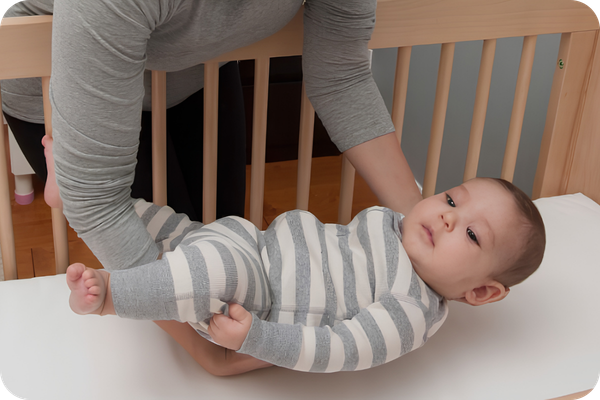
• Placing babies on their backs to sleep
• Making sure sleeping children are supervised
• Carrying out regular visual sleep checks
• Monitoring sleeping environments and temperatures
• Keeping sleep spaces free from inappropriate items and hazards
Every child's sleep routine is personal, and safer sleep practices can always be maintained while individual needs are understood and respected.
How we support sleep at Priesthills Nurseries
At Priesthills Nurseries, we take a child-led approach to sleep, allowing children to rest when they need to and wake naturally whenever possible. Our approach is simple: we listen to children's individual needs, respect their natural sleep rhythms and prioritise their wellbeing.
We follow your child's cues, not the clock.
Our practitioners get to know each child well and observe their individual signs of tiredness. When children need to rest, we provide a calm, comfortable and safe environment to help them settle. And for those who don't need to sleep? Their day continues with opportunities to play, explore, learn and have fun!
We don't usually wake sleeping children, and we never force sleep.
Our responsibility during the nursery day is to respond to each child's immediate needs for rest and wellbeing. That means if a child is tired and needs to sleep, we will support them to do so. Equally, if they are not tired, we will not insist that they nap, or keep them awake against their will.
We work in partnership with you.
When your child joins Priesthills, we ask you to share information about their usual sleep routine with their key person. This helps us understand their individual needs and provide consistency wherever possible. As children grow, their sleep requirements naturally change, so we encourage regular conversations between parents and key persons to share observations, identify emerging patterns and discuss any concerns.
If you are experiencing difficulties with bedtime or nighttime waking, please talk to us. Working in partnership doesn't always mean restricting a child's daytime sleep. Sometimes it means understanding what their behaviour and sleep patterns are telling us. Our aim is never to dismiss the challenges families may be experiencing at home, but to balance these concerns with our responsibility to meet children's needs while they are in our care.
We keep safe sleep at the heart of everything.
Our safer sleep procedures are based on guidance from the Department for Education, NHS and The Lullaby Trust. Our practitioners ensure that children have appropriate sleeping spaces and bedding, that babies are placed in safer sleeping positions, and that sleeping children are carefully supervised and regularly checked.
Sleep at Priesthills: your quick questions answered
Will you wake my child if I ask you to?
Our policy is that we will not usually wake children from their sleep. Waking a child before they are naturally ready can interrupt restorative sleep. There may be exceptional circumstances, such as safety or safeguarding reasons, where waking a child is necessary. If bedtime is becoming difficult, please speak to your child's key person so we can look at their routine together.
Can I ask you to limit how long my child sleeps?
We are always happy to discuss your preferred sleep routine and understand the reasons behind it. However, we do not routinely impose fixed limits on how long children can sleep. Instead, we respond to their individual needs and natural sleep patterns, and we can review their routine with you.
Do all children sleep at the same time?
No. We follow individual sleep routines rather than expecting every child to sleep at a set time. Some children may need several shorter naps, others one longer sleep, and some may not need a daytime nap at all.
How do you know when my child needs to sleep?
Our practitioners get to know children well and observe their individual signs of tiredness, such as yawning, rubbing eyes, becoming quieter or getting upset more easily. We use these observations alongside our knowledge of each child's usual routine to respond appropriately.
What happens if my child no longer needs a daytime nap?
We will not force children to sleep. Instead, we provide opportunities for them to continue playing, learning and exploring while other children rest. Our practitioners observe children's behaviour and sleep cues to help identify when their needs may be changing.
How do you keep children safe while they sleep?
We follow safer sleep guidance from the Department for Education, NHS and The Lullaby Trust. Babies are placed on their backs to sleep, sleeping children are supervised, and we carry out visual sleep checks at least every 10 minutes, with more frequent checks for younger or newly settled babies. We also monitor sleeping environments and temperatures, and keep sleep spaces free from inappropriate items and hazards.
What if my child has a particular sleep routine at home?
When your child starts nursery, we ask you to share their usual sleep routine with their key person. We use this to provide familiarity and consistency wherever possible, and we review and adapt their routine as their needs change.
Will you tell me how long my child has slept?
Yes. We share information about your child's sleep and discuss any significant changes in their routine. We also welcome conversations about how your child is sleeping at home, so we can build a fuller picture of their needs.
Rested children are ready to thrive
At Priesthills, our philosophy has always been centred around nurturing happy, healthy, confident children and supporting each child to be "The best me that I can be."
Respecting children's need for sleep is an important part of that commitment. We want children to feel safe, secure and listened to. We want them to have the energy to explore their surroundings, build friendships, enjoy new experiences and develop at their own pace.
And sometimes, the very best thing we can do to support their learning and development is simply to let them sleep.
Because sleep isn't time away from learning. It's an essential part of growing, developing and thriving.
If you have any questions about your child's sleep routine at nursery, please speak to their key person or Nursery Manager. We're always happy to work together to support your child's wellbeing.
The Priesthills Nurseries Team